
In Salamanca, the MULTIVETIC operational group introduced its project and the technology it is developing to make veterinary treatment management in livestock production more precise, automated and traceable.
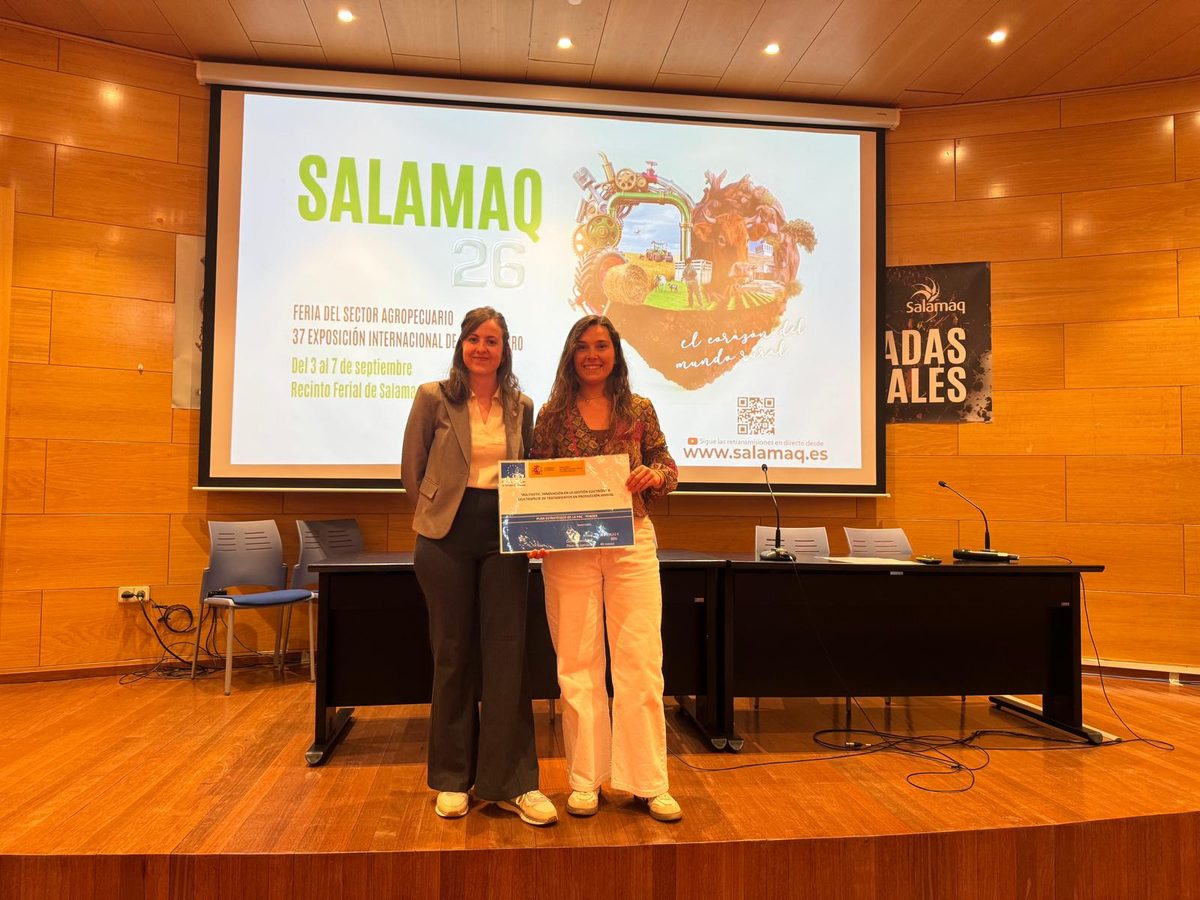
At 5 pm on Saturday 5 September, the auditorium at the Salamanca exhibition grounds hosted the launch of the MULTIVETIC operational group, ‘Innovation in electronic treatment management across livestock species’, as part of the SALAMAQ 2026 agricultural and livestock fair.
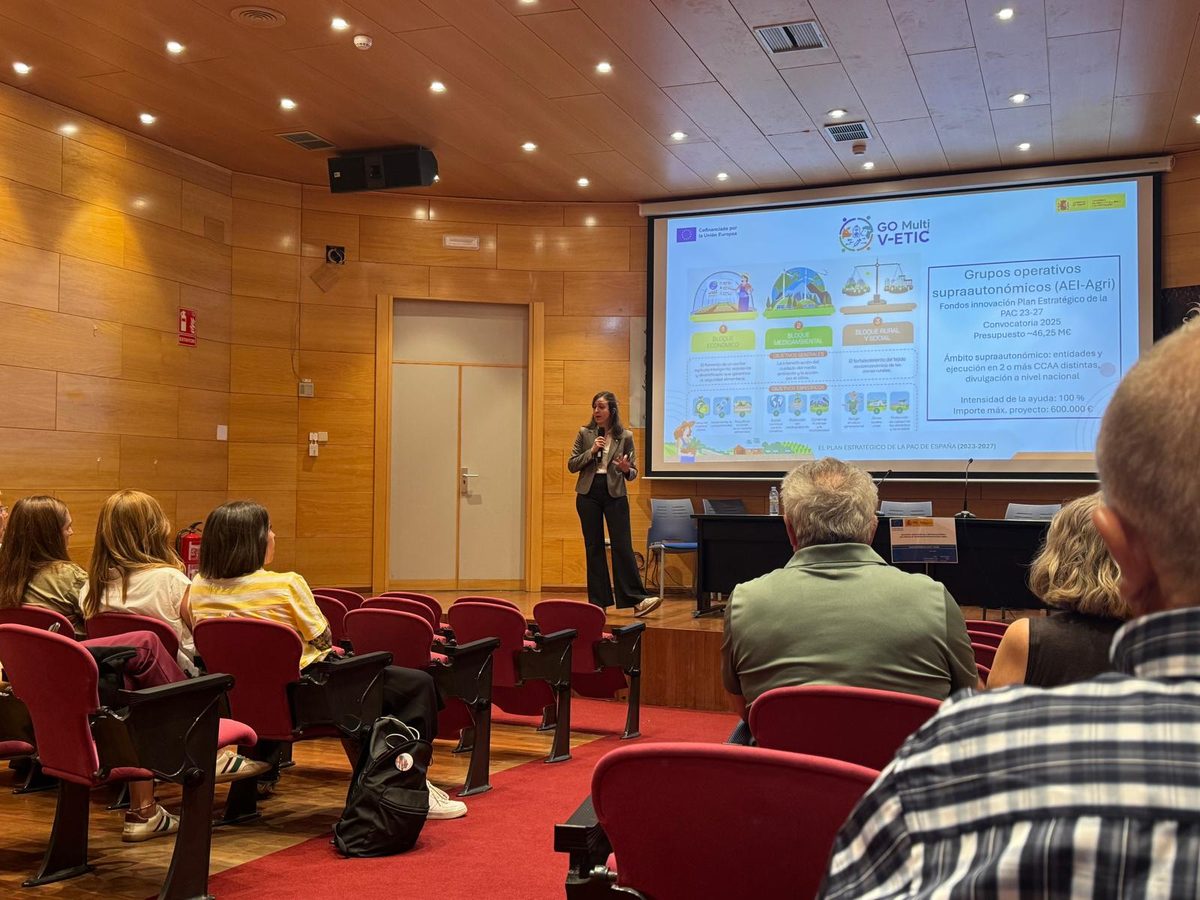
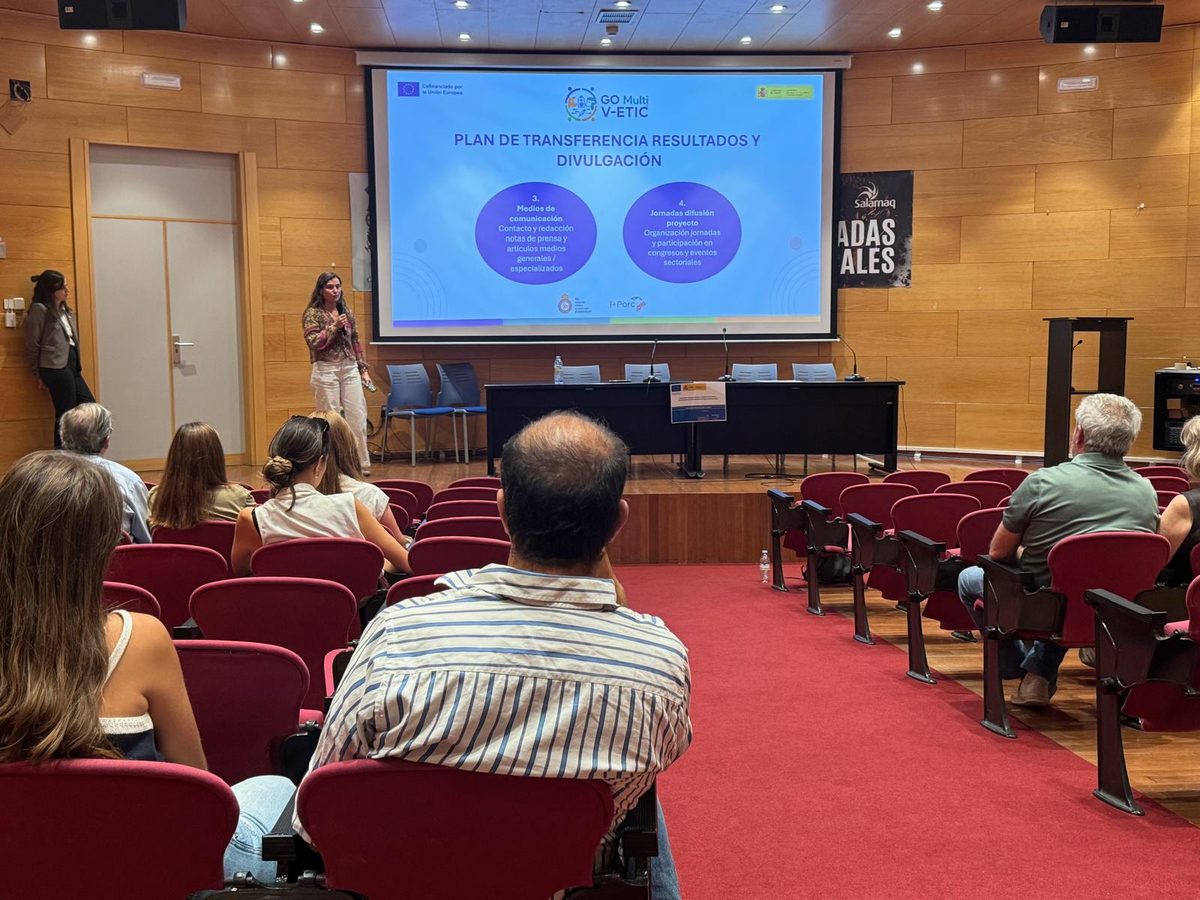
Alicia Canut, director of i+Porc, and Teresa Antoñanzas, from the technical department of the Royal Spanish Federation of Pedigree Livestock Associations (RFEAGAS), introduced the project’s origins, main objectives, partners and the challenges it aims to address.
Tracing veterinary treatments
MULTIVETIC is developing and validating a system to improve oversight and traceability of livestock treatments. It combines a smart electronic syringe with digital tools that record the details of each treatment. Field trials on pig and sheep farms will test the system in two different production settings, identify improvements and help develop a solution adaptable to other species and farm types.
The session attracted considerable interest, particularly during the lively closing question period. The audience’s questions explored how the tool could be used in practice and showed a keen interest in how MULTIVETIC will develop and what the field trials will reveal.
SALAMAQ 2026 gave the team another opportunity to introduce MULTIVETIC directly to farmers, technicians and industry professionals, demonstrate work in progress and hear first-hand from potential users about their interests and concerns.
This Operational Group, as the body responsible for the content, received a grant to prepare and carry out innovation projects of general interest by operational groups working across autonomous communities under the European Innovation Partnership for Agricultural Productivity and Sustainability (EIP-AGRI), as part of Spain’s CAP Strategic Plan (PEPAC). The European Agricultural Fund for Rural Development (EAFRD) co-finances 80% and the Ministry of Agriculture, Fisheries and Food contributes 20%. The total grant is €599,929.52 and the project budget is €599,929.52.


